What is Autism Acceptance Month?
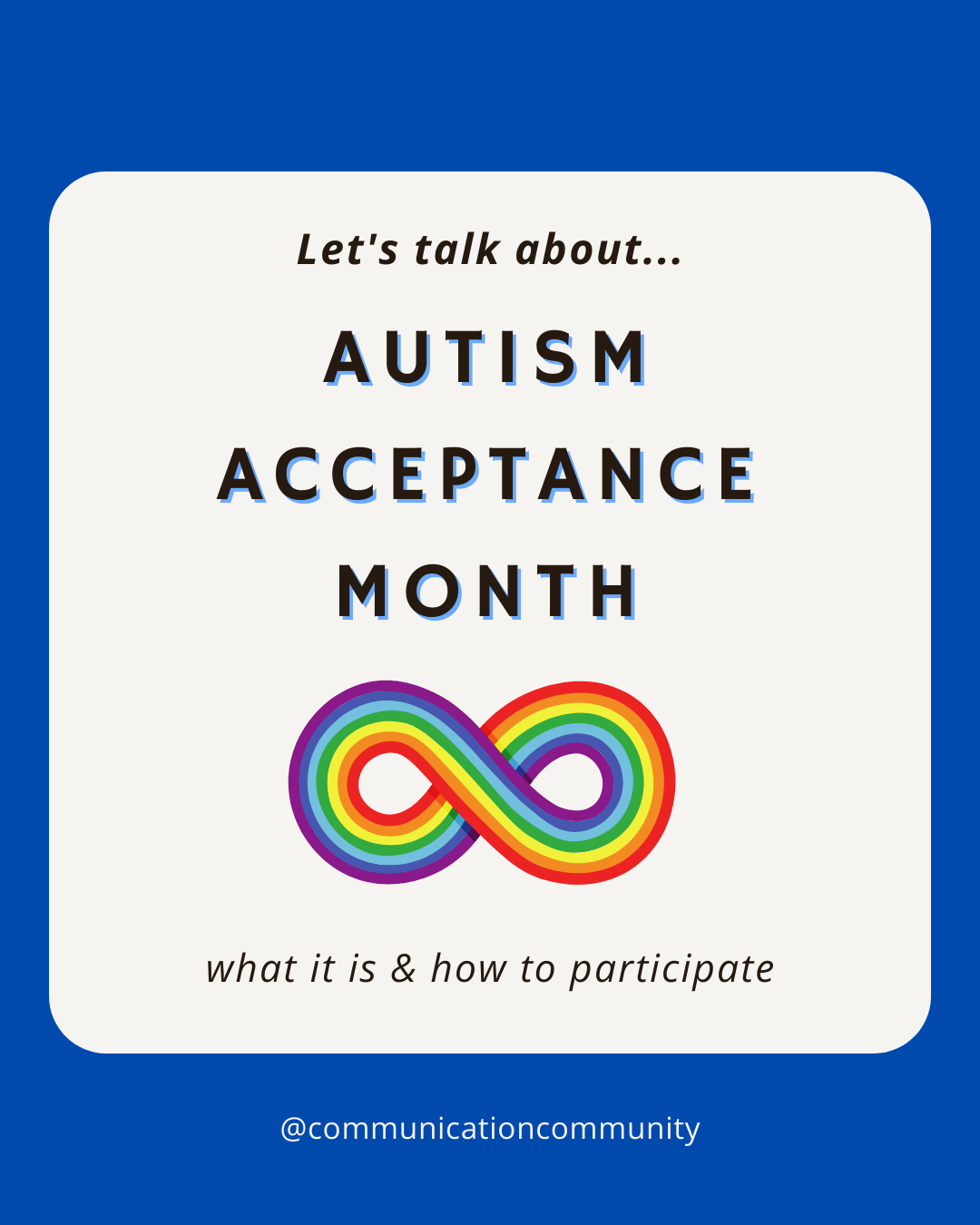
April is Autism Acceptance Month! This month is a time to move beyond awareness and focus on meaningful inclusion, understanding, and support for autistic individuals across the lifespan.
If you’re a speech-language pathologist, educator, or caregiver, this month is an opportunity to reflect on your practices and think about how they align with neurodiversity-affirming, functional, and respectful therapeutic approaches.
In this updated article, we’ll break down:
- What Autism Acceptance Month really means
- Updated autism data and trends
- The shift from awareness → acceptance
- Practical ways to support autistic individuals
- Evidence-based, timeless resources you can return to year after year
Autism Acceptance Month Explained: What It Is and Why It Matters
Autism Acceptance Month takes place every April and focuses on celebrating autistic identities while promoting inclusion, access, and respect.
This shift in language, from awareness to acceptance, is intentional.
- Awareness = knowing autism exists
- Acceptance = valuing autistic people, supporting autonomy, and creating inclusive environments
Acceptance centers autistic voices and emphasizes that autism is not something to “fix,” but a natural part of human diversity.

What Is Autism Spectrum Disorder (ASD)?
Autism spectrum disorder (ASD) is a neurodevelopmental difference that impacts communication, social interaction, and behavior (CDC, 2024; ASHA, n.d.).
It is described as a spectrum because every individual has a unique combination of strengths, preferences, and support needs.
Autistic individuals may:
- Communicate using speech, AAC, or multiple modalities
- Prefer structure, routines, or predictability
- Experience sensory differences
- Demonstrate strong interests or areas of deep knowledge
There is no single way autism presents, and support should always be individualized.
Updated Autism Statistics in the United States
Current data highlights the importance of continued access to services and support.
- Approximately 1 in 31 children in the United States are identified with autism (Centers for Disease Control and Prevention [CDC], 2024)
- Autism is identified across all racial, ethnic, and socioeconomic groups
- Increased prevalence is largely due to improved screening, broader diagnostic criteria, and better access to evaluation
Understanding this may help shift the focus from “why is this increasing?” to “how can we better support?”
Neurodiversity-Affirming Practices for SLPs
Autism Acceptance Month is a great time to reflect on clinical practices. Small shifts can make a meaningful difference.
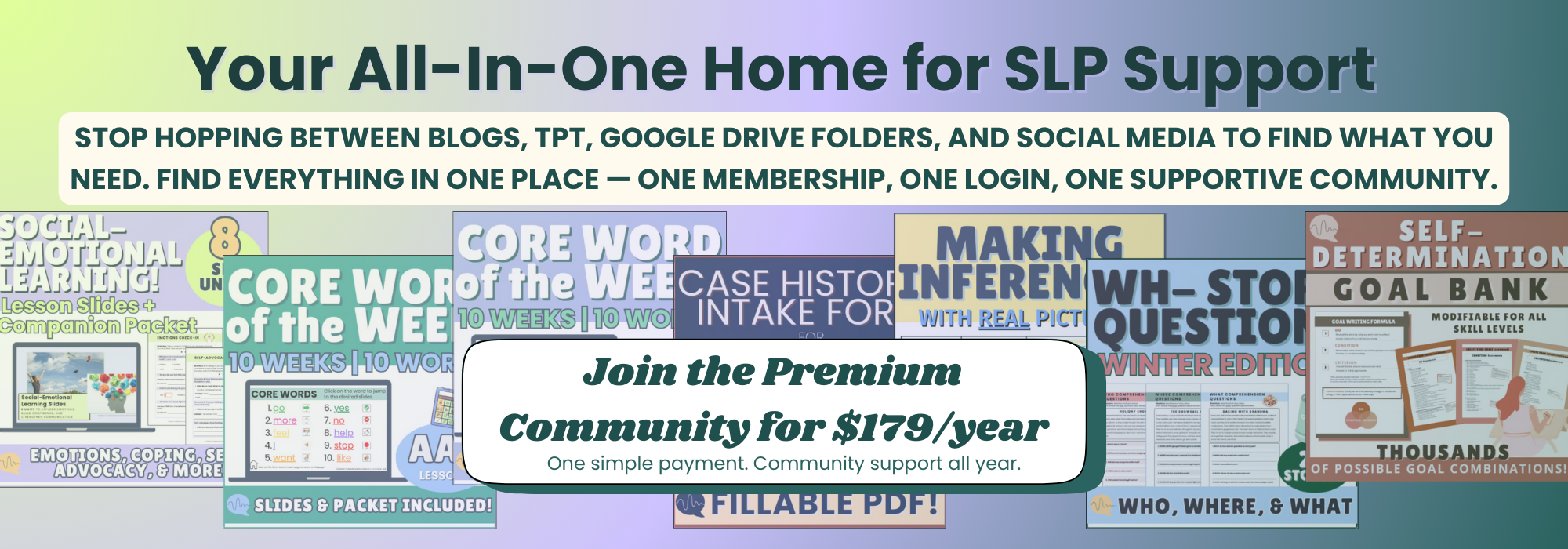
If you're looking for ready-to-use, neurodiversity-affirming materials, we have dedicated resource spaces inside our Premium Community focused on AAC, functional communication, social-emotional learning, self-advocacy, and more. These are designed to be practical, adaptable, and easy to implement across settings.
Prioritize Functional Communication
Focus on communication that helps individuals:
- Meet their needs
- Participate in daily activities
- Increase independence
Support All Forms of Communication
Speech is not the only valid form of communication.
- AAC is communication—not a last resort
- Honor multimodal communication (gestures, scripts, devices, writing)
Move Beyond Compliance-Based Goals
Instead of targeting behaviors like eye contact or sitting still, consider goals that support:
- Self-advocacy
- Repair strategies
- Boundary setting
- Communication confidence
Respect Sensory and Regulation Needs
Respecting sensory and regulation needs helps create a supportive environment for communication and participation.
- Offer movement breaks
- Adjust environments when possible
- Avoid forcing “typical” behavior at the expense of regulation
Build on Strengths
Therapy should reflect and build upon individual strengths, such as:
- Pattern recognition
- Attention to detail
- Memory or creativity
Evergreen Autism Resources
These resources are helpful year-round and support continued learning.
Research and Clinical Information
- CDC Autism Resource Hub
- Autism Society
- ASHA Practice Portal (Autism, AAC, Social Communication)
Neurodiversity-Affirming Perspectives
- Autistic Self Advocacy Network (ASAN)
- Neuroclastic
- Learn Play Thrive (podcast)
Practical Therapy Supports
- Functional communication materials
- AAC supports and core word resources
- Social-emotional learning lessons
- Self-advocacy tools and goal creators
Books/Literature
- Ready Set Connect by Jessie Ginsburg, MS CCC-SLP
- Seeds of Learning by Tera Sumpter, MA CCC-SLP
- Uniquely Human by Barry Prizant, PhD
References
Centers for Disease Control and Prevention. (2024). Data and statistics on autism spectrum disorder. https://www.cdc.gov/autism/data-research/index.html
Centers for Disease Control and Prevention. (2024). Autism spectrum disorder (ASD). https://www.cdc.gov/autism/index.html
Autism Society. (n.d.). Autism acceptance month. https://autismsociety.org/autism-acceptance-month/
American Speech-Language-Hearing Association. (n.d.). Autism (autism spectrum disorder). https://www.asha.org/practice-portal/clinical-topics/autism/
This post contains affiliate links and we may earn a small commission at no extra cost to you; however, all opinions are our own. We appreciate the support!